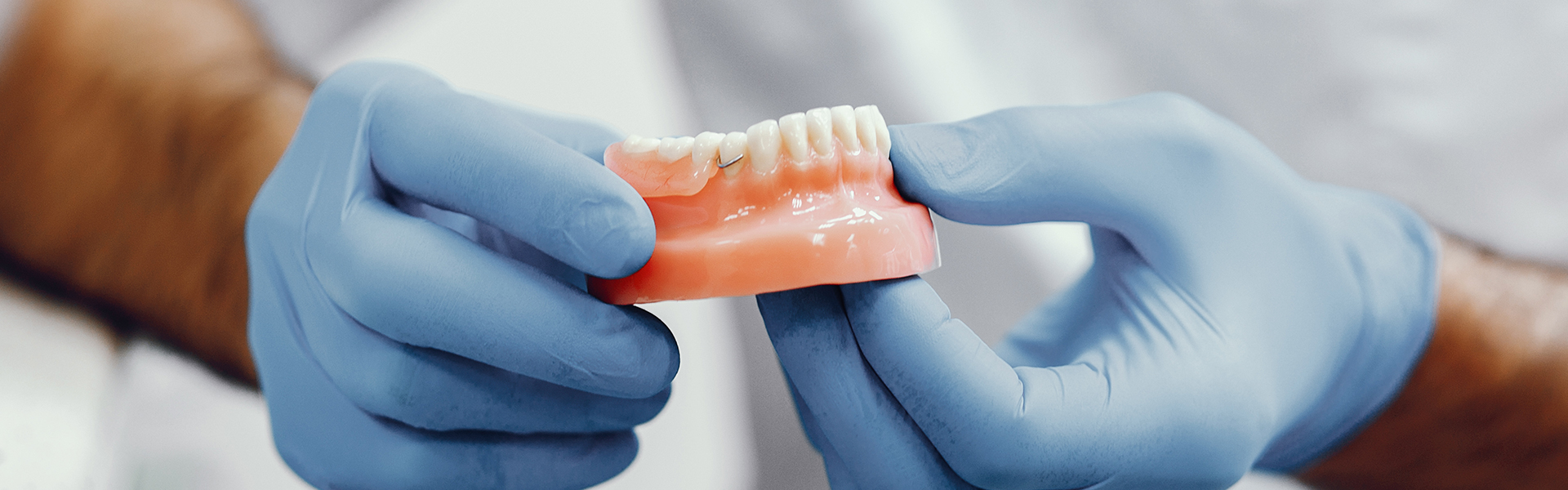

How to Care for Your Dentures: A Step-by-Step Guide

Taking care of your dentures is crucial to keep them comfortable, functional, and long-lasting. A few simple steps each day can ensure they remain in excellent condition and help you avoid discomfort or costly replacements. Let’s explore how you can maintain your dentures and keep your smile healthy and confident.

  1. Understanding Your Dentures

Dentures are much more than just replacements for missing teeth—they’re tools that improve your ability to eat, speak, and smile with confidence. Understanding the type of dentures you have and how they’re made can help you take better care of them.

Types of Dentures

  1. Full Dentures: These replace all teeth in either the upper or lower jaw. They rest on the gums and are custom-fitted for a snug, secure feel.
  2. Partial Dentures: Designed to substitute a few missing teeth, partial dentures rely on clasps to anchor them to your remaining natural teeth. They fill gaps effectively and help maintain proper alignment.
  3. Implant-Supported Dentures: These attach to dental implants, providing enhanced stability and comfort. They’re a popular choice for those seeking a more permanent option.

Material Matters

Dentures are often made from acrylic, metal, or flexible materials. Each material has unique care requirements:

  1. Acrylic: Lightweight and natural-looking but can scratch easily, requiring gentle handling.
  2. Metal: Durable but may need polishing to maintain its shine.
  3. Flexible Materials: More forgiving on gums but prone to discoloration if not cleaned properly.

Knowing these differences will help you adapt your care routine accordingly.

  1. Daily Cleaning Routine

Just like natural teeth, dentures need daily cleaning to remove food debris, plaque, and bacteria. Regular cleaning helps maintain their appearance and prevents issues like bad breath and gum irritation.

Step-by-Step Cleaning Guide

  1. Remove Carefully: Take your dentures out over a soft towel or a basin of water to avoid damage if dropped.
  2. Rinse Thoroughly: Hold your dentures under lukewarm running water to remove food particles.
  3. Brush Gently: Utilize a soft-bristled toothbrush or a special denture brush with a non-abrasive cleaner. Avoid regular toothpaste—it’s too harsh and can scratch the surface.
  4. Focus on Details: Pay extra attention to grooves that contact your gums, as bacteria can build up there.
  5. Final Rinse: Rinse again to ensure all cleaner residue is removed.

Recommended Cleaning Products

  1. Denture Brushes: Designed to clean effectively without causing damage.
  2. Non-Abrasive Cleaners: These keep your dentures free from stains and bacteria.
  3. Denture Soaks: Use overnight to remove stubborn deposits and keep them fresh.

Avoid These Common Mistakes

  1. Using hot water can warp dentures.
  2. Skipping daily cleaning—bacteria can multiply quickly.
  3. Brushing too hard can damage the material.

Quick Tip: Rinse dentures after every meal to keep them fresh and prevent food buildup.

  1. Storing Your Dentures Safely

Proper storage is essential for keeping your dentures in top condition. When not in use, dentures can dry out, warp, or become brittle.

How to Store Them Correctly

  1. Keep Them Moist: Dentures should always stay in water or a denture solution to retain their shape.
  2. Choose the Right Solution: Ask your dentist for recommendations on safe soaking solutions.
  3. Use a Protective Case: When traveling or storing dentures temporarily, use a case to shield them from damage.

Why It’s Important

Dry dentures can lose their shape, making them uncomfortable or even unusable. Spending a few moments storing them properly saves you from repairs or replacements.

  1. Maintaining Your Oral Health

Caring for your mouth is just as important as caring for your dentures. Healthy gums and any remaining teeth are essential for ensuring a proper fit and preventing issues like infections.

Gum Care Tips

  1. Brush your gums carefully with a soft toothbrush to remove plaque and stimulate blood flow.
  2. Use a rinse recommended by your dentist to maintain gum health.

If You Have Natural Teeth

  1. Brush twice a day with fluoride toothpaste.
  2. Use floss or interdental brushes in order to clean between teeth.

Healthy gums and teeth improve how your dentures fit and feel, so don’t skip these steps!

  1. When to Visit Your Dentist

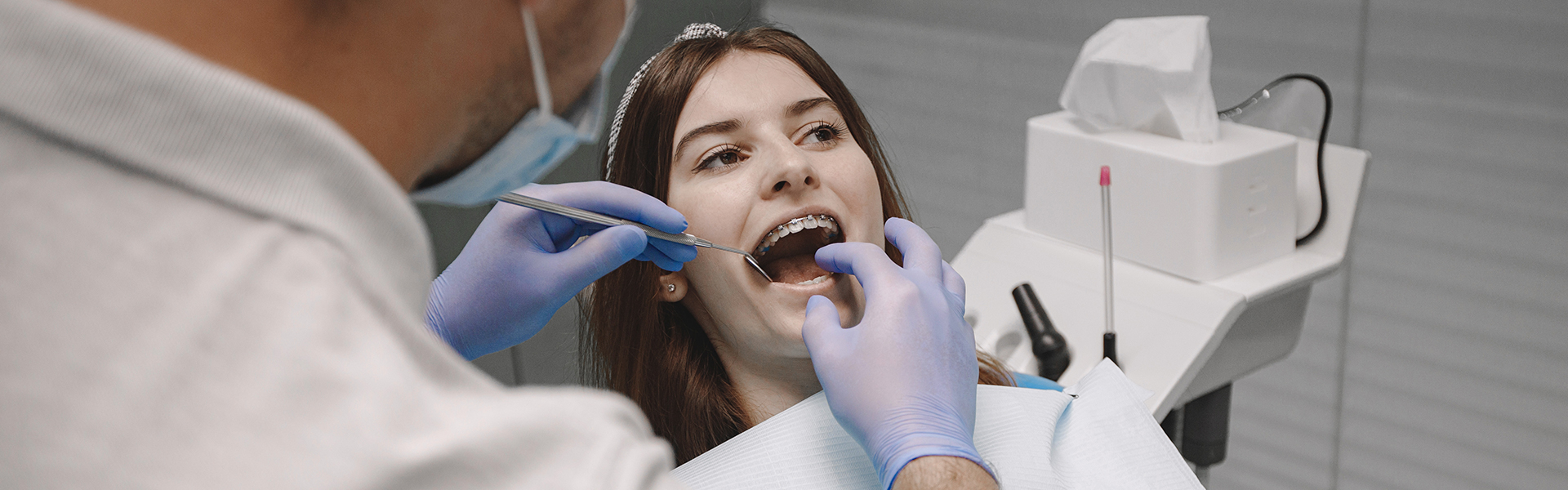
Even with the best care, dentures need regular checkups to ensure they fit well and function as they should.

Signs You Should See a Dentist

  1. Loose or uncomfortable dentures.
  2. Persistent bad breath or gum irritation.
  3. Visible cracks or damage.
  4. Difficulty chewing or speaking.

Routine Checkups

Visiting your dentist at least once a year is key. They can adjust your dentures, clean them professionally, and address any underlying issues. If you’re searching for help, consider a denture clinic for expert advice and care.

  1. Common Mistakes to Avoid

Even small habits can lead to significant problems with your dentures. Here’s what to steer clear of:

  1. Skipping Cleaning Routines: This can lead to stains, odors, and bacteria buildup.
  2. Using Abrasive Cleaners: Regular toothpaste or harsh scrubbing can scratch dentures, making them harder to clean over time.
  3. Forgetting to Rinse After Eating: Food debris can lead to discomfort and bad breath.
  4. Sleeping with Dentures: Unless directed otherwise by your dentist, remove dentures before bed to give your gums a rest.

By avoiding these mistakes, you’ll ensure your dentures stay in excellent condition for years.

Ready to Maintain Your Best Smile? Find Dentures Near You Today!

Caring for your dentures ensures they stay comfortable and functional for years. From proper cleaning to regular dental visits, these steps keep your smile healthy. If you’re looking for expert care for Partials & Full Dentures in Stony Brook, NY, trust Stony Brook Dental Group. Schedule an appointment today to keep your dentures and oral health in top condition!


Why Do Diabetics Need Dental Exams?

Managing diabetes necessitates diligent oversight of multiple health facets, including oral health. Regular complete dental exams in Stony Brook, NY, are essential for people with diabetes, as they help address the unique challenges that diabetes presents to oral health. This comprehensive guide explores why dental exams play a vital role in maintaining oral and general health for diabetic individuals.

Understanding the Diabetes and Oral Health Connection

Diabetes impacts the body’s regulation of blood sugar levels, impacting the entire system. For people with diabetes, this includes a heightened risk of oral health issues due to fluctuating glucose levels that can foster harmful bacterial growth. Elevated sugar levels make the mouth more prone to inflammation, infection, and delayed healing. This bidirectional relationship means that as diabetes affects oral health, inadequate oral health can also impact negatively diabetes management.

Early Detection of Diabetes through Oral Health

One of the most critical roles of routine dental exams is identifying signs of undiagnosed diabetes. Symptoms like dry mouth, gum inflammation, and frequent oral infections can often be early indicators of diabetes. A dental check-up may reveal these signs, allowing dental professionals to refer patients for further testing.

  • Point-of-Care Testing: Some dental clinics now offer point-of-care tests like HbA1c during dental exams to help identify potential blood sugar issues, which can lead to early diagnosis and better health outcomes for patients.

Managing Periodontal Disease

Diabetes and periodontal disease have a close relationship. People with diabetes are more susceptible to gum infections, which in turn make it challenging to control blood sugar levels. Regular dental exams near you ensure that any signs of periodontal disease are identified and treated early.

  • Gum Health: Healthy gums reduce the inflammatory response, which benefits overall health. Controlling gum infections helps patients maintain stable blood sugar levels, making it less difficult to manage diabetes effectively.

Reducing Risks of Complications

A weakened immune response in diabetic patients makes them more prone to various oral issues. Some common complications include:

  • Salivary Gland Dysfunction: Reduced saliva production leads to dry mouth, which can cause discomfort, increase the risk of tooth decay, and make it easier for harmful bacteria to multiply.
  • Delayed Wound Healing: With diabetes, even minor cuts or infections in the mouth can take longer to heal, leading to increased discomfort and risk of infection.

Routine dental visits can help identify these issues before they become severe, allowing for quick interventions that prevent further complications. Proper management and monitoring during each dental exam and cleaning help mitigate these risks.

Enhancing Metabolic Control

Research shows that managing oral health, particularly by treating gum disease, positively impacts overall blood glucose control in diabetic patients. People with diabetes who maintain regular dental exams often find that managing oral health helps stabilize blood sugar levels. This can reduce the likelihood of diabetes-related complications and improve their quality of life.

  • Preventive Dental Care: Consistent preventive care and treatment of emerging dental issues reduce the body’s inflammatory burden, directly benefiting metabolic health. This interconnected care underscores the importance of regular dental exams for managing oral and systemic health.

Collaborative Care for Comprehensive Health

Interprofessional collaboration often enhances comprehensive healthcare for diabetes patients. Stony Brook Dental Group promotes a team-based approach to dental care, where dental and medical professionals work together to provide holistic care.

  • Shared Records and Updates: Sharing records and updates between dentists and other healthcare providers enables informed decisions for managing diabetes and oral health effectively.

This collaborative care helps ensure that each patient gets the most effective treatment modified to meet their needs, focusing on preventing and managing complications.

Educating Patients on Long-Term Health

Education is a significant aspect of managing diabetes-related oral health issues. Patients are often unaware of how diabetes affects oral health, which can lead to neglect of vital dental care routines. Dentists provide essential guidance on proper oral hygiene practices, dietary tips, and handling common issues like dry mouth.

  • Oral Health Awareness: Encouraging patients to take preventive steps, such as brushing and flossing regularly, reduces the risk of periodontal disease and other complexities associated with diabetes.
  • Dental Visit Recommendations: Educating patients on the importance of scheduling regular dental exams helps them stay proactive in managing their oral health and prevents minor issues from escalating into more severe concerns.

Specialized Care for People with Diabetes

Diabetes patients may require specialized dental care techniques, including gentle cleaning procedures and specific guidance on using products for dry mouth or sensitive teeth. Regular dental exams near you allow dental professionals to personalize care based on each patient’s health status and unique needs.

  • Monitoring Oral Health Changes: Regular exams allow dentists to observe the
  • changes in oral health over time, adapting care methods as necessary to address diabetes-related concerns.
  • Individualized Preventive Measures: For patients with specific challenges, dentists may suggest specialized rinses, gum care products, or personalized hygiene routines that cater to their condition.

Conclusion

Maintaining oral health is very important for individuals with diabetes, as it not only reduces the risk of oral infections but also plays a role in managing blood glucose levels effectively. Regular dental exams are essential to a diabetic’s overall health strategy. By scheduling complete dental exams in Stony Brook, NY, at Stony Brook Dental Group, diabetic patients can take proactive steps toward improved oral health and better diabetes management. Each exam identifies potential issues, maintains gum health, and ensures long-term wellness through early intervention and collaborative care.

Preparing for Full Mouth Restoration: What to Expect During the Consultation and Treatment

Are you thinking about a Full Mouth Restoration in Stony Brook, NY? You’re not alone. Many people explore this option to restore function and appearance. Whether you’re dealing with multiple missing teeth, worn-down teeth, or other dental issues, this treatment could transform your smile. The consultation is your first step toward a personalized treatment plan that perfectly meets your specific needs.

Understanding Full Mouth Restoration

What is full mouth restoration?

Full mouth restoration is a complete makeover for your mouth. It involves various procedures that work together to fix multiple dental problems. It could include teeth that are missing, damaged, or simply in need of some attention. It’s not just about getting back your smile—it’s about restoring your power to chew, speak, and live without discomfort.

Why do people choose full mouth restoration?

Patients seek this treatment for many reasons, including:

  • Missing teeth that make chewing and speaking difficult.
  • Teeth damaged by decay or injury.
  • Worn-down teeth because of grinding or acid erosion.

Benefits of full mouth restoration include:

  • Function: You can eat comfortably again, without pain.
  • Appearance: Your smile gets a major upgrade.
  • Confidence: No more hiding your teeth in photos or conversations.

Restoring function and appearance in one go is the big appeal of this comprehensive treatment.

What Happens During the Initial Consultation

The first step in full mouth reconstruction near your journey is the consultation. It is where your dentist gets to know your dental history, your concerns, and what you hope to achieve with this treatment.

Here’s what typically happens during the initial visit:

  • Health review: Your dentist will ask about your dental and medical history.
  • Oral exam: Expect a thorough check of your teeth, gums, and jaw.
  • X-rays: If necessary, the dentist might take X-rays to get a clear view of any hidden issues.
  • Discussion of goals: This is your time to share what’s bothering you, whether it’s function, appearance, or both.

From this, your dentist will be able to assess the current state of your mouth and create a plan that works just for you.

Discussing Your Treatment Options

Once the consultation is complete, it’s time to dive into the treatment options available. Full mouth restoration can include a wide range of procedures, such as:

  • Dental implants: Perfect for replacing missing teeth.
  • Crowns and bridges: These can restore damaged or missing teeth.
  • Veneers: Great for improving the look of your front teeth.
  • Teeth reconstruction: This addresses severe damage across multiple teeth.

During this stage, your dentist will walk you through the pros and cons of each procedure. It’s about more than what looks best but what will provide the most lasting solution for your needs. You’ll also discuss factors like recovery time, expected results, and, of course, your budget.

With this information, you and your dentist can make the best choice for your complete mouth restoration.

Preparing for the Treatment Process

A clear plan is essential before starting full mouth restoration. It is where the dentist will explain the timeline and what steps to take.

Timeline for full mouth restoration:

  • Initial consultation: Your dentist will outline the steps based on your dental situation.
  • Preparatory work: This could include any preliminary treatments, such as deep cleaning or addressing gum issues.
  • Primary treatment: This is where the main procedures, like dental reconstruction, happen.
  • Final adjustments: After the main treatments, your dentist will make sure everything feels and looks right.

Steps to take before your procedure:

  • Dietary changes: You may need to avoid certain foods before and after your procedure.
  • Health preparations: If you have underlying health conditions, your dentist may ask you to get clearance from your doctor.
  • Plan for multiple visits: Depending on the complexity, you might need to schedule several appointments.

It’s important to understand that full mouth restoration is a challenging fix. The process can take time, but the result is well worth the journey.

What to Expect During Recovery

Recovery from a full mouth restoration varies depending on the type of treatment you’ve had. For example, dental implants will have a different recovery period than crowns or veneers.

Here’s a typical timeline to expect:

  • Immediate recovery: This is the period right after your procedure. You may experience some swelling or discomfort, especially if you’ve had extractions or implants.
  • First week: Most patients start to feel better within the first week, although soft foods and careful chewing might still be necessary.
  • Long-term recovery: Depending on the complexity, full healing can take weeks or even months, especially with implants.

Post-treatment tips:

  • Follow your dentist’s care instructions: Whether it’s using a special mouthwash or taking prescribed medication, follow the directions closely.
  • Eat soft foods: Stick to softer options until your dentist gives you the green light to eat normally.
  • Avoid smoking: Smoking may delay healing and increase the risk of infection.

Taking good care of your mouth during the recovery phase is crucial for long-term success. Regular follow-up visits will also ensure that everything is healing as it should be.

Conclusion

Full mouth restoration is a life-changing treatment that offers more than just cosmetic improvements. It restores function, comfort, and confidence. Through personalized consultation and a clear treatment plan, you can get a totally healthy, beautiful smile that lasts.

Ready for a New Smile? Schedule Your Full Mouth Restoration Consultation Today!

At Stony Brook Dental Group, we’re here to guide you through every step of the full mouth restoration process. Contact us today to book your consultation and start your journey to get a healthier, more beautiful smile.

How Dental Crowns Protect Your Teeth

Dental crowns are like protective shields for your teeth. They’re custom-made caps placed or put over a tooth to reinstate its shape, size, and strength. You might think of them as armor for your teeth, providing functional and cosmetic benefits. Crowns cover damaged teeth, protecting them from further harm and ensuring they stay strong over time. If you’ve ever had a weak tooth, cracked or severely decayed, a crown may have been the best solution to keep it intact and functional.

Why You Might Need a Dental Crown

You might be wondering, why would I need a crown? There are several reasons why crowns are commonly used:

  • Tooth Decay: If a cavity becomes too large, a filling might not be enough to protect the tooth. A crown can cover the tooth and keep it safe from further decay.
  • Cracked or Fractured Teeth: Teeth that are cracked or broken can be painful and difficult to use. A crown restores the strength of these teeth, allowing you to chew and smile confidently.
  • Root Canal Treatment: Post root canal, the tooth becomes more vulnerable. Crowns are often placed to protect the treated tooth from damage.
  • Large Fillings: Teeth with large fillings may weaken over time. A crown provides additional support and strength to prevent cracks or breaks.

For those needing crowns for teeth, it’s often about keeping your natural tooth in place and functional for as long as possible. A crown can make all the difference in ensuring you don’t lose a tooth that still has healthy roots.

How Dental Crowns Strengthen Weak Teeth

Crowns do much more than just sit on top of a tooth. They act like a sturdy shell, giving strength to a tooth that’s otherwise too weak to function properly. This is especially true for teeth that have undergone significant dental work. Without protection, these teeth might not withstand the daily wear and tear of chewing.

  • Full Coverage: Crowns cover the entire tooth, which makes them incredibly effective at reinforcing the structure. This full coverage helps protect against cracks and fractures.
  • Improved Stability: By placing a crown, we can restore the stability of teeth that have lost their structural integrity.

If you have weak or damaged teeth, a crown may offer the support you need to avoid further dental issues. Many patients using dental crowns in Stony Brook, NY, have found that crowns not only protect their teeth but also improve their ability to chew and speak comfortably.

Preventing Further Tooth Damage with Crowns

One of the best things about dental crowns is that they don’t just repair damage; they prevent more damage from happening. Once a tooth has been damaged, it’s at risk for further problems. A crown provides a shield that protects against future decay, cracks, or wear.

  • Protection from Bacteria: Crowns act as a seal, preventing bacteria from getting into the damaged areas of your tooth. This reduces the risk of future decay.
  • Minimizing Wear: Teeth can wear down from grinding, clenching, or simply over time. A crown can help prevent excessive wear, preserving the tooth for longer.

By choosing a crown, you’re making an investment in your long-term dental health. It’s a way to keep your teeth safe and functional for years to come. If you’ve been looking for dental crowns near you, our team can help guide you through the process.

Restoring the Look of Your Smile

Dental crowns not only protect teeth but also improve their appearance. A damaged (ruined) or decayed tooth can make you feel self-conscious about your smile, but crowns can amp up your confidence by giving you a healthy, natural-looking tooth.

  • Cosmetic Improvement: Crowns are designed to match the color and shape of your surrounding teeth. Whether you have a discolored or misshaped tooth, a crown can help blend it seamlessly with the rest of your smile.
  • Long-Lasting Results: Unlike some cosmetic treatments, crowns offer durability and strength, making them a long-term solution to improving your smile.

For anyone concerned about their appearance, crowns provide an easy way to regain a smile you feel proud of. And with teeth caps made from natural-looking materials like porcelain, you can expect a crown to look and feel like a real tooth.

Different Types of Crowns: Which One is Right for You?

There are various types of crowns, each with its pros and cons. The choice depends on your needs and the condition of your tooth. Here’s a quick rundown of the common options:

  • Porcelain Crowns: These crowns offer the most natural look, as they closely match the color of your teeth. These crowns are a good choice for front teeth, where appearance is a priority.
  • Metal Crowns: Known for their durability, metal crowns (made of gold or other alloys) are often used for molars, where strength is more important than appearance.
  • Porcelain-Fused-to-Metal Crowns: These crowns are a great choice for both front and back teeth because they mix the beauty of porcelain with the strength of metal.
  • All-Resin Crowns: Resin crowns are typically less expensive but may wear down faster than other options.

Your dentist will help you finalize which crown material is best for your specific case. In crowns for teeth, we always aim to balance function and appearance to give you the best outcome.

Caring for Your Dental Crown

Once you have a crown, proper care is essential to ensure it lasts as long as possible. While crowns are durable, they still need maintenance, just like your natural teeth.

  • Brush and Floss Regularly: It’s important to continue good oral hygiene practices. Brushing (2 times) every day and flossing helps prevent plaque from building up around the crown.
  • Avoid Hard Foods: Chewing on hard or tough objects like ice can cause damage to your crown. Be mindful of what you eat to avoid unnecessary stress on the crown.
  • Regular Dental Checkups: Regular dental checkups guarantee that your crown stays in good shape. Your dentist can check the crown’s fit and ensure there are no underlying issues.

With proper care, your crown can last many years. If you’re unsure how to care for dental crowns near you, we can provide personalized advice during your next visit.

Conclusion

Dental crowns are a reliable way to protect and restore teeth. Whether you’re dealing with decay or damage or just want to improve the look of your smile, crowns offer a solution that can enhance both form and function. They provide protection, stability, and cosmetic benefits, making them a popular choice for many patients. By caring for your crown and maintaining good oral hygiene, you can ensure it lasts many years.

Ready to Protect Your Smile?

If you’re considering a crown or simply want to learn about how dental crowns can protect your teeth, contact Stony Brook Dental Group today. We’ll guide you through the process and help you decide if a crown is right for your dental health. Book your appointment now and take the initial step toward a healthier smile!

5 Benefits of Low Radiation Digital X-Rays

In modern dentistry, digital X-rays have revolutionized how dental professionals diagnose and treat numerous oral health issues. These advanced imaging technologies enhance diagnostic accuracy and prioritize patient safety through reduced radiation exposure.
Understanding the benefits of low-radiation dental X-rays in Stony Brook, NY, is crucial for patients seeking comprehensive dental care.

Understanding Digital X-Rays

Digital X-rays utilize electronic sensors in place of traditional photographic film to take images of teeth and gums. This technology allows for immediate image processing and viewing on a computer screen, eliminating the need for chemical processing and reducing environmental impact. Compared to conventional X-rays, digital X-rays emit significantly lower radiation levels, making them a safer choice for patients of all ages.

Benefits of Low Radiation

Low-radiation digital X-rays offer several significant benefits that enhance both patient safety and diagnostic accuracy. By reducing radiation exposure, these X-rays prioritize patient health, making them safer than traditional X-ray methods. It is particularly crucial for vulnerable groups, such as children and pregnant women, who are more sensitive to radiation.

Here are the primary advantages of low-radiation digital X-rays:

  • Reduced Exposure to Radiation for Patients: The most prominent benefit is the substantial decrease in radiation exposure. It is vital for minimizing the long-term risks associated with repeated X-ray imaging and ensuring patient safety and peace of mind.
  • Enhanced Safety for Children and Pregnant Women: Digital X-rays are especially beneficial for sensitive populations. Lower radiation levels make it safer for children, whose developing bodies are more susceptible to radiation damage. Similarly, pregnant women can undergo necessary imaging with less concern for fetal exposure.
  • Faster Imaging Results Leading to Quicker Diagnosis: Digital X-rays provide immediate results, allowing healthcare providers to diagnose and treat conditions more quickly. This rapid turnaround is crucial in emergencies and helps streamline the medical process.
  • Environmentally Friendly: Unlike traditional X-rays, digital imaging does not require chemical processing, which involves harmful chemicals and generates waste. This eco-friendly approach reduces the environmental footprint of medical imaging.
  • Higher Quality Images for More Accurate Diagnosis: Digital X-rays produce clearer, more detailed images, facilitating accurate diagnoses. The enhanced image quality helps healthcare professionals identify issues more precisely, leading to better patient outcomes.

Overall, the transition to low-radiation digital X-rays represents a significant advancement in medical imaging, combining patient safety, environmental responsibility, and superior diagnostic capabilities.

Applications in Dentistry

Low radiation digital X-rays have revolutionized various dental procedures by offering safer, faster, and more precise imaging. These X-rays are integral in numerous dental applications, enhancing diagnostic accuracy and treatment planning.

Here are some key applications in dentistry:

  • Diagnosis of Cavities and Decay: Digital dental X-rays are essential for identifying cavities and decay that are not clearly visible during a regular dental exam. The high-quality images allow dentists to detect early signs of decay, leading to prompt and effective treatment.
  • Assessment of Bone Health and Root Structure: These X-rays provide detailed views of the bone and root structures, which is crucial for evaluating bone density and identifying issues such as bone loss or root infections. This information is vital for procedures like dental implants and root canals.
  • Planning for Orthodontic Treatment: Orthodontists use digital X-rays to plan treatments accurately. The images reveal the positioning of teeth and jaw structures, aiding in the design of braces, aligners, and other orthodontic appliances.
  • Monitoring Overall Oral Health: Regular digital X-rays help monitor the overall health of a patient’s teeth and gums. They facilitate the early detection of potential issues, allowing for preventative measures and ongoing oral health maintenance.

Patient Comfort and Convenience

Digital X-rays significantly improve the patient experience, making dental visits more comfortable and efficient.

  • Shorter Appointment Times: The swift capture of digital images reduces patients’ time in the dental chair. This efficiency allows for quicker appointments and less waiting time for patients.
  • Comfortable Positioning Due to Faster Image Capture: The speed of digital X-ray technology means patients spend less time holding uncomfortable positions. It is particularly beneficial for those with difficulty remaining still, such as children or elderly patients.
  • Immediate Image Viewing for Patient Education: Digital X-rays can be viewed instantly, enabling dentists to explain findings and treatment options to patients in real time. This immediate feedback fosters better understanding and engagement in their oral health care.

Overall, integrating low-radiation digital X-rays in dentistry enhances the quality of care and significantly increases patient comfort and convenience. This advanced technology ensures a safer, more efficient, and more informative dental experience.

Conclusion

Adopting low-radiation digital X-rays underscores our commitment to patient safety, diagnostic precision, and environmental responsibility. Choosing a dental practice equipped with advanced digital imaging technology ensures that each patient receives optimal care with minimal radiation exposure.

Are you due for a dental check-up or experiencing oral discomfort?

Schedule an appointment for low radiation digital X-rays at Stony Brook Dental Group to benefit from advanced imaging technology that prioritizes your health and safety. Contact us today to book your next visit.

Who is a Good Candidate for Full Mouth Reconstruction?

Full mouth reconstruction, also known as total mouth reconstruction or teeth reconstruction, is a transformative dental procedure targeted at restoring the health, function, and aesthetics of the entire mouth. This complete treatment involves a combination of restorative and cosmetic dental procedures tailored to address multiple oral health issues simultaneously. Understanding the criteria that determine candidacy for full mouth reconstruction is essential for individuals considering this significant dental intervention. This blog explores in detail the factors influencing candidacy, the process involved, and the benefits of opting for full mouth reconstruction. 

Understanding Full Mouth Reconstruction

Full mouth reconstruction encompasses a wide range of dental treatments designed to rehabilitate the entire dentition. It is typically recommended for individuals with extensive dental problems that cannot be addressed through single procedures alone. The treatment plan may cover dental implants, crowns, bridges, veneers, orthodontics, and gum tissue grafting, among other interventions. These procedures work together to restore oral function, improve aesthetics, and enhance overall oral health. 

Dental Issues That May Require Full Mouth Reconstruction

Here are some dental issues that may necessitate a full mouth reconstruction:

  • Severe Tooth Loss: Individuals who have lost multiple teeth due to decay, trauma, or other reasons may benefit from full mouth reconstruction. This procedure helps restore chewing ability, maintain facial structure, and prevent further tooth loss.
  • Extensive Tooth Damage: Cases involving severe tooth decay, fractures, or wear that compromise tooth structure may require comprehensive restoration through full mouth reconstruction techniques.
  • Gum Disease: Advanced periodontal disease may result in gum recession, bone loss, and tooth instability. Full mouth reconstruction may include periodontal treatments to restore gum health and support dental restorations.
  • Malocclusion: Bite alignment issues, such as overbite, underbite, or crossbite, can affect both dental function and aesthetics. Orthodontic treatment may be incorporated into a total mouth reconstruction plan to correct these issues.
  • Cosmetic Concerns: Individuals seeking to enhance their smile aesthetics comprehensively may opt for full mouth reconstruction to address issues such as tooth shape, size, color, and alignment. 

Health Factors Affecting Candidacy

Several health factors play a crucial role in determining candidacy for full mouth teeth reconstruction, such as:

  • Overall Health: Candidates should be in optimal general health to undergo extensive dental procedures and anesthesia safely.
  • Oral Health: The condition of the gums, remaining teeth, and underlying bone structure are assessed to ensure they can support dental restorations.
  • Commitment to Oral Hygiene: Patients must demonstrate a willingness to maintain excellent oral hygiene post-reconstruction to ensure the longevity of treatment outcomes.
  • Medical History: Pre-existing medical conditions and medications may influence treatment planning and require collaboration with other healthcare providers.
  • Smoking and Lifestyle Habits: Smoking and certain lifestyle habits can affect oral health and the success of dental procedures. Candidates may need to make lifestyle changes or adjustments for optimal outcomes. 

Psychological Readiness

Psychological readiness is a critical aspect when determining who is a good candidate for full mouth reconstruction. Here’s how psychological readiness factors into candidacy:

  • Realistic Expectations: Candidates must have a clear understanding of the goals and outcomes of full mouth reconstruction. They should comprehend that the process involves multiple procedures over a period of time and be prepared for the associated recovery and adjustment phases.
  • Motivation and Commitment: Undergoing full mouth reconstruction requires a significant commitment. Candidates must be motivated to improve their oral health and aesthetics, willing to adhere to post-treatment care instructions, and proactive in maintaining regular dental visits.
  • Emotional Stability: Managing expectations and coping with potential challenges during treatment are crucial. Candidates should be emotionally stable and prepared to handle the physical and emotional aspects of dental procedures, including temporary discomfort and changes in appearance.
  • Communication with the Dental Team: Open communication with the dental team is essential. Candidates should feel comfortable discussing their concerns, asking questions about the procedures, and expressing any anxieties they may have about the treatment process. 

Consultation and Evaluation Process

The journey towards full mouth reconstruction begins with a comprehensive consultation and evaluation process:

  • Initial Examination: The process begins with a comprehensive dental examination, which includes a detailed review of the patient’s dental and medical history. This examination helps identify existing oral health issues, including severe tooth decay, gum disease, or structural problems like bone loss, which may necessitate full mouth reconstruction.
  • Diagnostic Imaging: X-rays, CT scans, and intraoral photographs are often utilized to provide detailed images of the teeth, gums, jawbone, and overall oral structures. These imaging techniques help assess the extent of dental issues and plan appropriate treatment strategies.
  • Discussion of Goals and Expectations: At the time of consultation, the dental team engages in discussion with the patient to understand their particular concerns, aesthetic goals, and expectations from full mouth reconstruction. This exchange of information is crucial in developing a personalized treatment plan that aligns right with the patient’s desires and ensures realistic outcomes.
  • Medical and Dental Health Assessment: A thorough evaluation of the patient’s overall health is conducted to ensure they are physically fit to undergo extensive dental procedures. Factors such as general health conditions, medications, allergies, and past surgical history are reviewed to mitigate any risks associated with the treatment.
  • Evaluation of Oral Hygiene: The condition of the patient’s remaining teeth and gums is assessed to determine their ability to support dental restorations, such as dental implants or bridges, which are often integral parts of full mouth reconstruction. Adequate oral hygiene practices are essential for maintaining the longevity of these restorations post-treatment.
  • Collaboration Between Specialists: In complex cases, collaboration between different dental specialists, such as prosthodontists, periodontists, and orthodontists, may be necessary. This interdisciplinary approach makes sure that all aspects of the patient’s oral health are addressed comprehensively and optimally.
  • Educational Component: The consultation also serves as an opportunity for the dental team to educate the patient about the procedures involved in full mouth reconstruction, including potential risks, benefits, and anticipated recovery periods. This education empowers patients to make thoughtful decisions about their oral health care. 

Benefits of Full Mouth Reconstruction

Undergoing full-mouth reconstruction offers numerous benefits, such as:

  • Restoration of Oral Function: By addressing multiple dental issues simultaneously, full mouth reconstruction restores the ability to chew food comfortably and speak clearly, improving overall oral function.
  • Enhanced Aesthetics: The procedure enhances smile aesthetics by correcting issues such as misaligned teeth, gaps, discoloration, and worn-down teeth, boosting self-confidence and self-esteem.
  • Improved Quality of Life: Patients experience an overall improvement in their quality of life, enjoying restored dental function, aesthetics, and confidence in social and professional interactions.
  • Prevention of Further Damage: By repairing and replacing damaged or decayed teeth, full mouth restoration in Stony Brook, NY, prevents further deterioration of oral health, reducing the need for future extensive dental treatments.
  • Long-term Oral Health: Full mouth reconstruction involves durable restorations like dental implants, bridges, and crowns that help preserve remaining teeth, prevent further deterioration, and promote long-term oral health.

Aftercare and Maintenance

After completing full mouth reconstruction, patients are advised on post-treatment care:

  • Oral Hygiene Practices: Proper brushing, flossing, and rinsing techniques to maintain oral health and prolong the lifespan of dental restorations.
  • Regular Dental Visits: Routine dental check-ups and professional cleanings are essential to monitor oral health, detect possible issues early, and ensure the longevity of treatment outcomes.
  • Use of Retainers or Appliances: Patients may be required to wear retainers or some other dental appliances to maintain teeth alignment and prevent relapse. 

Conclusion

In conclusion, full mouth reconstruction offers a transformative solution for individuals seeking to preserve their oral health and confidence. By addressing a range of dental issues through personalized treatment plans, including severe tooth loss, extensive damage, and malocclusion, patients can achieve improved function, enhanced aesthetics, and long-term oral health benefits. Ready to transform and beautify your smile with full mouth restoration near you? Schedule your consultation at Stony Brook Dental Group today and discover personalized treatment options for optimal oral health and confidence.

What separates onlays from inlays?

When it comes to dental restoration, patients are often presented with various options tailored to their needs. Among these dental care options are inlays and onlays in Stony Brook, NY, two crucial procedures for preserving tooth structure and function. Understanding the differences between these two treatments is vital for making informed decisions about dental care.

Tooth Coverage: The Shielding Solutions for Your Smile

  • Understanding Dental Inlays and Onlays: If you need dental restoration, consider inlays and onlays. These options can help cover and protect your teeth. Inlays are custom-made to fit the top of your tooth, while onlays extend further to cover more area. To make educated oral health choices, know the differences.
  • Tailored Coverage for Every Need: Explore the versatility of inlays and onlays. Inlay dental offers precise coverage within the cusps, while onlays provide broader protection over damaged areas. This tailored approach ensures that each restoration perfectly suits the patient’s needs, preserving tooth structure and function for long-lasting results.
  • Preserving Tooth Integrity: Recognize the importance of considering tooth condition when choosing between inlays and onlays. Whether addressing minor damage or more extensive decay, these dental solutions offer customized coverage to protect the integrity of your teeth and promote optimal oral health.

Structural Integrity: Building Blocks for Long-Lasting Smiles

  • Strengthening Tooth Foundations: Delve deeper into how dental inlays and onlay dental strengthen tooth structure, ensuring durability and longevity. Inlays and onlays reinforce weakened teeth, restoring strength and functionality for a healthier smile.
  • The Power of Precision: Custom-made inlays and onlays are designed to fit perfectly with each patient’s unique dental anatomy. This ensures that the restoration blends seamlessly with the natural tooth structure, keeping it strong for many years. This approach ensures precision and accuracy so that you can be confident in the quality of our work.
  • Investing in Your Dental Health: Understand the long-term benefits of prioritizing structural integrity with inlays and onlays. Patients may enhance their oral health and smile confidence with these sustainable dental treatments.

Customization and Fit: Crafted for Comfort and Confidence

  • Personalized Precision: Experience custom-made dental restorations, where inlays and onlays are meticulously crafted to fit each patient’s smile perfectly. This tailored approach ensures maximum comfort and functionality, enhancing overall dental health and well-being.
  • Comfortable and Contoured: Discover the comfort of a perfectly contoured fit with inlays and onlays designed to blend perfectly with the natural tooth structure. This precise customization minimizes discomfort and ensures long-term satisfaction with the restoration.
  • Seamless Integration: Marvel at the seamless integration of inlays and onlays with natural teeth, creating a harmonious and aesthetically pleasing smile. With their natural appearance and precise fit, these restorations enhance the overall beauty of the smile, boosting confidence and self-esteem.
  • From Consultation to Completion: Follow the comprehensive journey of receiving dental inlays and onlays near you, starting with the initial consultation and resulting in a final bonding process. Each step is carefully tailored to the patient’s needs, ensuring a seamless and comfortable experience.
  • Taking Impressions: Understand the importance of taking precise impressions to fabricate custom-made inlays and onlays. Impressions of the teeth’s distinctive shapes enable for restorations that mirror the original tooth structure.
  • Bonding for Beauty: Discover the final step in the treatment process as inlays and onlays are bonded to the teeth, restoring both form and function for a radiant smile. Patients may enjoy a healthy, attractive smile for years with their long-lasting effects.

Aesthetic Considerations: Enhancing Your Smile Naturally

  • The Art of Aesthetics: Explore the artistic aspect of dental inlays and onlays, where natural-looking results elevate the overall appearance of your smile.
  • Seamless Integration: Appreciate the seamless integration of inlays and onlays with your existing teeth, ensuring a harmonious and aesthetically pleasing smile.
  • Confidence in Your Smile: Experience the confidence-boosting effects of aesthetic dental solutions, leaving you with a smile that radiates beauty and self-assurance.

Cost and Maintenance: Investing Wisely in Your Dental Future

  • The Value of Longevity: Recognize the long-term value of investing in dental inlays and onlays. Their durability and longevity provide unmatched benefits.
  • Minimal Maintenance, Maximum Results: Embrace the simplicity of maintaining your inlays and onlays with regular oral hygiene practices and routine dental check-ups, ensuring lasting results.
  • A Sound Investment: Understand the cost-effectiveness of choosing inlays or onlays for your dental care needs. You can save time and money while safeguarding your dental health for the future.

Conclusion

In conclusion, dental inlays and onlays offer effective solutions for restoring damaged teeth and enhancing dental aesthetics. Stony Brook Dental Group provides expertise and personalized care to patients in Stony Brook, NY. Make an appointment now to learn about dental repair choices and start your healthier, more attractive smile.

Why are oral cancer screenings necessary?

Oral cancer is a major concern for individuals worldwide, with its prevalence affecting millions of lives each year. However, despite its seriousness, many people may not fully understand the importance of regular oral screening for mouth cancer. This guide will explore why oral cancer screenings are essential and how they can significantly impact oral health and overall well-being.

The Importance of Early Detection:

Early identification of oral cancer is crucial for favorable treatment outcomes and improved prognosis. Identifying signs of oral cancer in its initial stages increases the effectiveness of treatment, reduces the risk of metastasis, and preserves vital functions such as speech and swallowing. Moreover, early-stage oral cancer may allow for less invasive treatment options, resulting in faster recovery and reduced healthcare costs.

Regular screenings enable prompt detection of suspicious lesions, offering patients the best chance for successful treatment and enhanced quality of life. Prioritizing oral cancer screenings can ultimately save lives and minimize the impact of this disease.

Benefits of Oral Cancer Screenings:

Regular Oral Cancer Screenings in Stony Brook, NY, benefit individuals. These screenings serve as proactive measures to identify potential issues before they progress into more advanced stages. Some of the critical benefits of oral cancer screenings include:

  • Detection of precancerous lesions or abnormalities that may indicate the presence of oral cancer.
  • Early intervention leads to more effective treatment options and improved survival rates.
  • Prevention of complications and potential disfigurement associated with advanced oral cancer.

Who Should Undergo Oral Cancer Screenings:

While every person can benefit from regular oral cancer screenings, specific individuals may be at a higher risk and should prioritize these evaluations. Factors that may increase the risk of developing oral cancer include:

  • Tobacco use, including smoking cigarettes or cigars and chewing tobacco.
  • Heavy alcohol consumption can exacerbate the effects of tobacco and increase cancer risk.
  • Prolonged exposure to sunlight, particularly for individuals who spend significant time outdoors without adequate protection for their lips and face.
  • Individuals with a history of oral cancer or precancerous lesions have a higher chance of experiencing a recurrence.

Identifying high-risk individuals for oral cancer is crucial for early detection and intervention.

What to Expect During a Screening:

At the time of an oral cancer screening, a dentist or healthcare professional will thoroughly examine the mouth, lips, tongue, throat, and neck. The process is relatively quick and painless, often performed as part of a periodic dental check-up. Dentists may use additional tools or techniques to aid in the detection of suspicious areas, such as:

  • Visual inspection: Examining the oral cavity for any visible abnormalities, including sores, lesions, or changes in tissue color or texture.
  • Palpation: Feeling for lumps, bumps, or irregularities in the mouth, neck, and throat.
  • Additional diagnostic tests: In some cases, dentists may use unique lights, dyes, or imaging technologies to improve the visibility of abnormal tissues or lesions.

By conducting a comprehensive examination, dentists can identify potential signs of oral cancer and recommend further evaluation or treatment as needed.

Encouraging Regular Screenings:

Promoting awareness about oral cancer screenings is crucial for encouraging individuals to prioritize their oral health. Dentists and healthcare professionals play a vital part in educating their patients about the benefits of regular screenings and facilitating access to these essential services. Some strategies for encouraging regular screenings include:

  • Providing educational materials: Offering pamphlets, brochures, or online resources that explain the importance of oral cancer screenings and how they can benefit individuals.
  • Incorporating screenings into routine care: Integrating oral cancer screenings into routine dental check-ups and encouraging patients to schedule regular appointments for preventive care.
  • We offer incentives or rewards for patients who attend regular screenings, such as discounts on dental services or complimentary oral hygiene products.

By raising awareness and providing accessible screening services, healthcare providers can empower individuals to take active steps toward protecting their oral health and overall well-being.

Conclusion

Oral cancer screenings are vital in preventive healthcare. By understanding the importance of early detection and encouraging regular screenings, we can improve treatment outcomes, reduce the burden of oral cancer, and ultimately save lives. Don’t wait until it’s too late – schedule your oral cancer screening with Stony Brook Dental Group, an oral cancer dentist near you today. Your oral health is worth it.

What steps can I take to eliminate unpleasant odors from my breath?

Do you find yourself frequently worrying about the freshness of your breath? Bad breath, scientifically known as halitosis, can be a source of embarrassment and discomfort, often indicating inadequate oral hygiene. However, with a combination of proper care and effective strategies, you can bid farewell to bad breath and welcome a newfound confidence in your oral health. In this comprehensive guide, we’ll delve into practical tips for banishing bad breath while emphasizing the importance of maintaining oral hygiene.

Understanding the Root Causes

To effectively combat bad breath, it’s crucial to comprehend its underlying causes. In many cases, poor oral hygiene serves as the primary culprit, allowing bacteria in the mouth to increase and produce foul-smelling gases as they break down food particles. Furthermore, specific edibles like garlic and onions might temporarily cause malodorous breath, similar to the effects of tobacco use and a lack of saliva.

Prioritize Dental Hygiene

At the core of fresh breath lies a commitment to diligent dental hygiene. Consistent visits to the dentist for examinations and cleanings are crucial, aiding in the elimination of plaque and tartar, which are breeding grounds for bacteria that produce foul smells. For individuals in Stony Brook, NY, seeking comprehensive care, consider scheduling a dental examination at Stony Brook Dental Group.

During your dental examination in Stony Brook, NY, professionals at Stony Brook Dental Group will meticulously assess your oral health, identify any underlying issues, and recommend tailored treatments to address them. This proactive approach not only prevents common oral health problems like gum disease and cavities but also contributes to fresher breath.

Establish a Consistent Oral Care Routine

In addition to professional dental care, maintaining a disciplined oral care routine at home is paramount. Make certain to cleanse your teeth no less than two times a day with fluoride-infused paste, giving special focus to the tongue, a common site for bacterial aggregation. Employing a tongue scraper can prove highly effective in removing these bacteria and promoting fresher breath.

Moreover, integrating flossing into your daily routine is indispensable for combating bad breath. By eliminating food particles and plaque from between your teeth and along the gumline, flossing complements brushing, fostering a cleaner mouth and fresher breath.

Stay Hydrated

Ensuring your body stays hydrated is crucial for combating dry mouth, a leading cause of bad breath. Drinking plenty of water each day encourages saliva production, which naturally rinses away food particles and harmful bacteria from your mouth. Limiting consumption of alcoholic and caffeinated drinks is wise, as these can lead to reduced hydration levels and worsening breath odor problems.

Mind Your Diet

The foods you consume exert a considerable influence on the freshness of your breath. Avoiding strongly odorous foods like garlic and onions, especially before social engagements, can help minimize temporary bad breath. Choose fresh produce instead, which not only promotes the creation of saliva but also aids in maintaining a naturally pleasant breath scent.

Kick the Habit: Quit Smoking

Aside from the numerous health dangers associated with smoking, it’s also a major factor in causing bad breath. Deciding to quit smoking or cease the use of other tobacco products not only protects your oral health but also benefits your overall well-being, greatly diminishing the chances of experiencing bad breath. If you’re considering quitting, your dentist can provide valuable resources and support to help you along the way.

Consider the Role of Mouthwash

While mouthwash can provide you temporary relief from bad breath, it should be supplemented rather than supplemented with proper oral hygiene practices. Opting for an alcohol-free antimicrobial mouthwash can help reduce bacteria in the mouth, providing an additional layer of protection against bad breath without causing dryness.

Conclusion

Effectively combatting bad breath entails a multifaceted approach encompassing diligent oral hygiene, a balanced diet, hydration, and lifestyle modifications. Adopting these tactics in your everyday life and consulting dental professionals when necessary allows you to say farewell to unpleasant breath and welcome the assurance of a cleaner, more wholesome breath. If you reside in Stony Brook, NY, don’t hesitate to schedule a dental cleaning near you at Stony Brook Dental Group. Your journey toward optimal oral health and fresh breath begins here.

Can the Shape of Your Smile Be Changed?

Have you ever looked at your reflection and wished you could change the shape of your smile? Your smile is crucial to your self-esteem and how others perceive you. If you’re not satisfied with your current smile, you’ll be pleased to know that modern dentistry offers a range of solutions to transform the shape of your smile. This article will center on the concept of a smile makeover and how it can make a huge difference in achieving the smile you’ve always dreamed of.

Understanding the Smile Makeover Process

A smile makeover is a thorough dental approach to enhancing the aesthetics of your smile. Unlike addressing individual dental issues, it focuses on creating a harmonious and pleasing smile that complements your facial features. Whether you have teeth stained from years of coffee consumption, misaligned teeth, chipped enamel, or other imperfections, a smile makeover can address these concerns holistically.

Exploring Smile Makeover Options

For those in Stony Brook, NY, seeking a smile makeover, look no further than Stony Brook Dental Group. An experienced team of dentists and state-of-the-art technology can help you achieve a remarkable smile transformation. But how exactly can a smile makeover change the shape of your smile?

The Journey to a Transformed Smile

    1. Teeth Whitening:

Tooth discoloration is a typical concern that affects the shape of your smile. Stained or yellowed teeth can diminish your confidence. A smile makeover may include professional teeth whitening treatments, brightening your teeth by several shades and resulting in a more vibrant smile.

    1. Dental Veneers:

With dental veneers, chips, cracks, or unevenly sized teeth can be a thing of the past. These custom-made, thin porcelain shells cover the front surfaces of your teeth, improving their shape, size, and color, creating a uniform and flawless appearance.

    1. Dental Implants:

For individuals with absent teeth, dental implants can be transformative. Implants restore function and enhance the shape of your smile by filling in gaps and stopping neighboring teeth from shifting.

Stony Brook Dental Group: Your Smile Transformation Partner

When considering a smile makeover in Stony Brook, NY, Stony Brook Dental Group is a reputable name in the field. Their experienced team takes the time to learn your unique concerns and goals, creating a personalized smile transformation plan tailored to your specific needs.

Conclusion

So, can the shape of your smile be changed? Absolutely! Thanks to advancements in dentistry, a smile makeover offers various solutions to address dental concerns and help you achieve the confidence to smile openly. Whether through teeth whitening, dental veneers, orthodontic treatments, gum contouring, dental implants, or composite bonding, your dream smile is now within reach.

If you’re considering a smile makeover near you, Stony Brook Dental Group in Stony Brook, NY, can help you journey towards a transformed and beautiful smile. Don’t hesitate any longer; your ideal smile is just a dental makeover away!

Call Now Schedule Now
Click to listen highlighted text!